
NK CELLS
They are called “natural killers” because—unlike T-cells—they don’t need prior exposure to a pathogen to attack it. They act within hours to days, long before the adaptive immune system gears up.
(KILLER STEM CELLS)
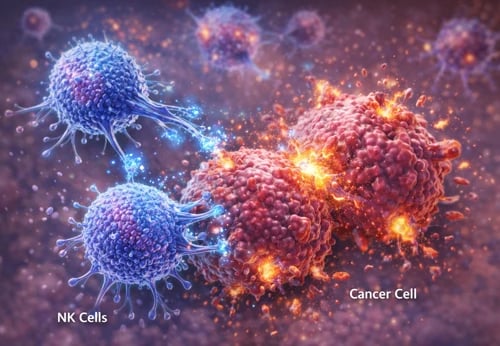
NK cells (Natural Killer cells) are like the special forces of our immune system. They can recognize and destroy cancer cells without prior sensitization. Unlike chemo, which can harm healthy cells, NK cells target cancer cells specifically.
NK cells have shown promise in immunotherapy, especially for certain types of blood cancers. They're being explored for their potential to provide more targeted and less toxic treatments.
Chemo, on the other hand, is a more traditional approach that can be effective but often comes with harsh side effects.
What are NK Cells?
What Synthetic NK Cells Do
CAR-mediated killing (synthetic receptor binds tumor antigen)
Perforin/granzyme release
Death-receptor pathways (FasL, TRAIL)
Antibody-dependent killing (ADCC)
This gives them multiple ways to kill, reducing the chance that tumors escape detection
Synthetic NK cells are not built from scratch like a robot — they are real NK cells that have been engineered using biotechnology.
They may be modified to: Express synthetic antigen-recognition receptors (CARs)
Produce cytokines like IL-15 to help them survive longer Resist tumor-induced suppression
Improve their ability to expand in the lab Target specific cancer markers (e.g., CD19, HER2, GD2)
These cancers are the most responsive because NK cells circulate easily in the bloodstream and bone marrow.
Leukemia (especially CD19-positive types)
Lymphoma
Multiple myeloma
Ovarian cancer (especially recurrent, stem-like tumor cells)
Pancreatic cancer
Other advanced solid tumors
Blood Cancers (Strongest Evidence)
Contact
Leading the way in regenerative medicine and stem cell therapy in Baja California.
Medical Disclaimer: Results may vary between individuals, and regenerative therapies are not guaranteed. Stem cell treatments are regarded by the FDA as experimental.




© 2025 Stem Cell Therapy Center Baja. All rights reserved.
Quick Links
Primera 25, Lienzo Charro, 22703 Playas de Rosarito, B.C., Mexico
Privacy Policy | Terms of Service